A Systems Novel -- The Novelist Intervenes 43 / 50
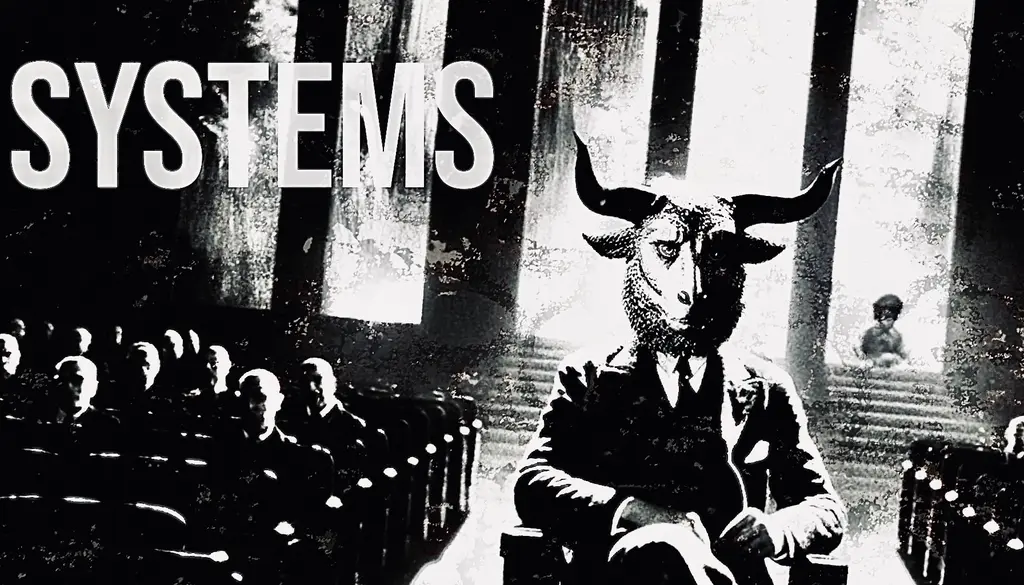
Hello Password: SystemsNovel Let's relate Immanuel Kant's Categorical Imperative to art: 1. Universalizability: According to Kant, an action is morally right if it can be universally applied. So, in the context of art, you might consider whether the practices or principles you follow in creating and sharing art could be applied universally. For example, if you believe in respecting the intellectual property rights of other artists, the categorical imperative would suggest that this should be a universal norm. Thus, you would not plagiarize another’s work because you would not want plagiarism to be a universally accepted practice. 2. Duty and Intent: Kant stresses the importance of acting from duty and not from inclinations or for personal gain. Applying this to art, creating work that is honest and authentic could be seen as a duty, rather than creating art solely for profit or fame. The intent behind your creation—whether it is to convey truth, evoke emotion, or challenge societal norms—should align with moral principles that you believe should be universally upheld. 3. Ends in Themselves: Another key aspect of Kant's philosophy is treating individuals as ends in themselves, not merely as means to an end. In artistic practice, this could translate into treating all participants in the art world (including artists, viewers, subjects, and collaborators) with respect and dignity. For instance, when creating art that involves real people, their portrayal should respect their inherent worth and not use them merely as objects to convey a message or to gain personal benefit. Credit to DALL-E and ChatGPT 4 Co-authors of visual and text Douglas CRETS is DBC in fiction and in performance


Listings
Attributes
Mojo Name
A Systems Novel
Type
Edition
Method
Manifesto Interruption
Weapon
Belief Systems
Uniqueness
Hidden File
Password
SystemsNovel
Details
Provenance
 1 mojo